
12 October 2026 | Public Office (Accountability) Bill
WhistleblowersUK has again demonstrated its capability to influence policy debate but also policy decisions. In March 2023 we pursuaded the government to conduct a review of the whistleblowing framework building on our research and recommendations for the then APPG for Whistleblowing.
Since this time parliamentarians have repeatedly picked up our proposals and made them the foundation of calls on the government to create an Office of the Whistleblower.
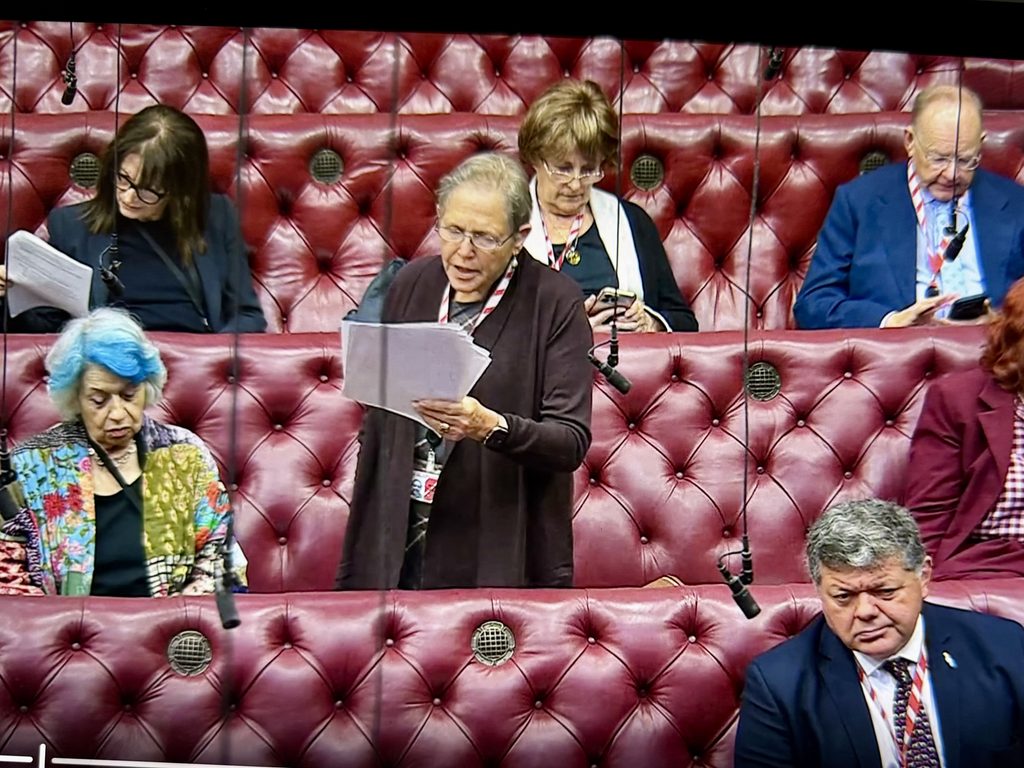
This week demonstrated the importance of our work which was used to inform a series of parliamentary amendments designed to strengthen whistleblower protection and establish an independent Office of the Whistleblower. The proposals were debated in the House of Lords on 12 October 2026, led by Baroness Kramer and supported by peers including Lord Wills, Baroness Featherstone, Baroness Brinton and Lord Cromwell.
From research to parliamentary action
WhistleblowersUK developed proposals for an independent Office to address persistent weaknesses in the UK’s whistleblowing framework: disclosures being ignored, failures to investigate serious wrongdoing, retaliation against those who speak up and the lack of effective routes to protection and redress.
The amendments brought forward by parliamentarians reflected these core objectives, including:
- An independent Office of the Whistleblower to provide specialist oversight, coordinate with regulators and enforcement agencies, and ensure credible disclosures reach the appropriate investigative body.
- A duty to act on credible disclosures, strengthening accountability when serious concerns are ignored.
- Protection against retaliation and detriment, addressing the personal and professional consequences faced by whistleblowers.
- Stronger public-sector accountability, including effective whistleblowing policies, ethical codes and measures to prevent confidentiality agreements from obstructing investigations.
The debate demonstrated how WhistleblowersUK’s policy work has helped translate the experience of whistleblowers and evidence of systemic failures into practical legislative proposals for Parliament to consider.
The Government’s response
The Government acknowledged the public value of whistleblowing but argued that wider reforms should follow its consultation on the whistleblowing framework, launched on 12 October. It confirmed that the consultation would consider whether an independent body should be established, but made no commitment to create an Office.
Baroness Kramer challenged the risk of delay, emphasising the need for meaningful action on investigation failures and retaliation. She withdrew the amendments following the debate, while expressing the hope that progress could be achieved before Report stage.
Why this matters
The debate marks an important stage in WhistleblowersUK’s work to secure an independent Office of the Whistleblower. Its research and policy proposals have helped provide parliamentarians with a framework for reform that goes beyond encouraging people to speak up: it addresses what must happen when they do.
The outstanding challenge is to turn parliamentary recognition into legislation that ensures credible concerns are investigated, whistleblowers are protected and wrongdoing cannot be concealed through institutional inaction.
WhistleblowersUK’s position is clear: speaking up must lead to action, not retaliation.
You can support our proposals https://wbuk.org/add-your-name-back-the-call-for-an-office-of-the-whistleblower/
