
WhistleblowersUK again on the front page…..

“Badenoch security officer was knife-wielding fantasist”
Telegraph investigation into security arrangements for MPs and ministers prompts Tory calls for urgent inquiry
The first duty of any government is to protect its citizens. Closely behind that comes protecting those entrusted to govern them.
That is why the allegations revealed by The Telegraph should concern every Member of Parliament, every political party and every taxpayer.
But the greatest concern is that people reportedly recognised the warning signs, raised them internally and believed they were ignored. That should alarm us all.
WhistleblowersUK has spoken with individuals connected to these allegations who say they raised serious concerns through internal channels. When they believed those concerns were not being taken seriously, they escalated them to the Ministry of Defence and the police because they considered there to be a genuine public safety issue.
If people protecting senior ministers and party leaders believe they are safer speaking to the police than going through their own employer’s reporting systems, something has gone fundamentally wrong.
Every major public scandal of the past three decades has followed a depressingly familiar pattern. People on the front line identified risks. They reported them to management, who dismissed them. Harm occurred. Only afterwards did public inquiries conclude that the warning signs had been there all along.
Whether it was Hillsborough, the Post Office Horizon scandal, Grenfell, infected blood, grooming gangs, Covid or countless failures in policing and financial regulation, the recurring theme is that organisations rarely fail because nobody knew.
They fail because those who knew were not listened to – because the organisations believed they were too big or too powerful to fail.
That tells us something deeply troubling about Britain’s whistleblowing framework. Too many people still believe that reporting serious wrongdoing could end their careers.
Too many fear legal threats, confidentiality clauses or informal blacklisting. Too many believe that organisations will investigate the whistleblower more thoroughly than they investigate the allegations themselves.
WhistleblowersUK has consistently argued for an independent Office of the Whistleblower, with statutory powers to receive disclosures, oversee investigations, protect those who speak up and ensure that organisations cannot simply ignore uncomfortable truths.
No individual should have to choose between remaining silent about a potential security risk and risking their livelihood. When concerns involve those responsible for protecting the nation’s political leaders, the public deserves absolute confidence that every warning will be examined objectively, every allegation assessed independently and every whistleblower protected from retaliation.
Unlike the current fragmented framework, an Office of the Whistleblower would not simply advise individuals to bring employment tribunal claims after they have suffered retaliation.
It would also provide an independent route to report concerns quickly and securely and for them to be properly investigated and systemic failures identified and acted upon by preserving evidence, identifying emerging risks and ensuring those raising concerns in the public interest are protected rather than punished.
In sectors such as defence, policing, intelligence, cyber security and critical national infrastructure, this is not merely good governance, it is an essential part of the UK’s national security.
An Office of the Whistleblower would not require years of constitutional reform. It would command support from across Parliament, improve national security, strengthen public confidence, reduce the cost of regulatory failure and help prevent the scandals that ultimately lead to lengthy public inquiries.
It is exactly the sort of practical reform that demonstrates a government is serious about accountability.
Britain has become exceptionally good at investigating institutional failure after lives have been lost and billions of pounds have been spent. What we have never truly invested in is preventing those failures in the first place.
Georgina Halford-Hall is the chief executive of WhistleblowersUK
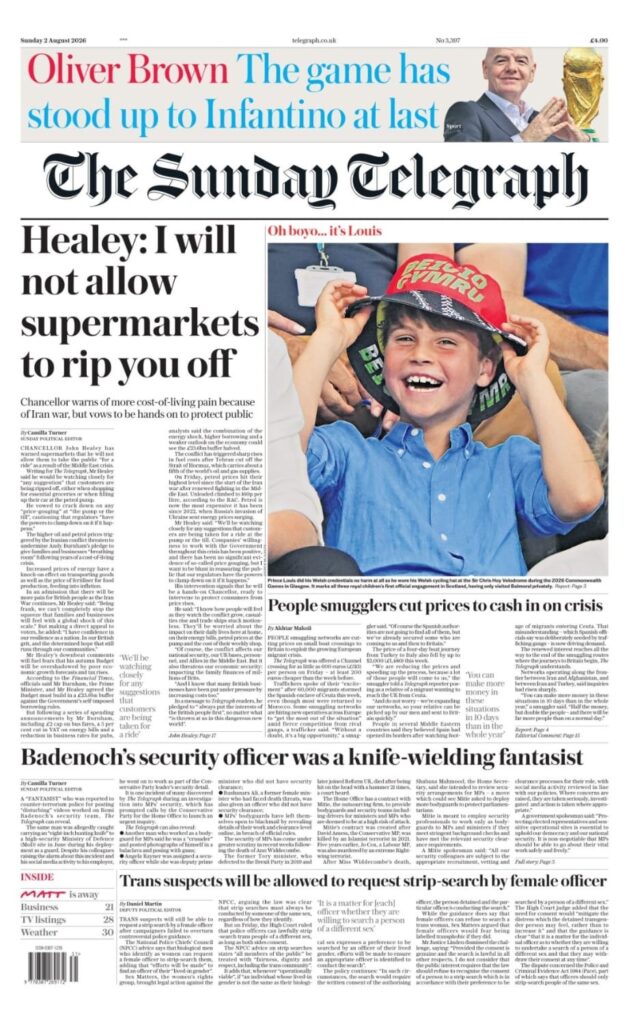
Full article avaialble here
If you would like help, support with this story or any other matter please email secretary@wbuk.org or contact us on +447860963946 for press enquiries.

